The Complete Guide to Elf Names
Elf names carry a weight and beauty unlike anything else in fantasy literature. From the sweeping Sindarin names invented by J.R.R. Tolkien to the sharp, apostrophe-laden names of the drow in Dungeons & Dragons, elven naming conventions are some of the most richly developed linguistic traditions in the entire genre. Whether you are creating a character for a tabletop roleplaying game, writing a fantasy novel, building a character in a video game, or simply exploring the beauty of constructed languages, understanding how elf names work opens a door to deeper world-building and storytelling.
1Origins of Elf Naming Traditions
The modern concept of elf names traces back primarily to Tolkien, who was a professional philologist before becoming one of the most influential fiction authors in history. His Elvish languages, Quenya and Sindarin, were fully functional constructed languages with their own grammar, phonology, and historical evolution. Names like Galadriel (meaning "maiden crowned with a radiant garland"), Legolas ("green leaf"), and Elrond ("star dome") were not random inventions but carefully composed words following strict linguistic rules. This attention to linguistic depth set the gold standard for elf naming across all subsequent fantasy media.
Before Tolkien, elves in European folklore had much simpler names, often drawn from local languages. Norse mythology featured elves (alfar) with names like Volundr and Freyr, while Celtic and Germanic traditions gave them names indistinguishable from human ones. It was the publication of The Lord of the Rings in the 1950s that established the expectation that elf names should sound melodic, ancient, and distinctly non-human.
2How Elf Names Work Across Settings
Different fantasy settings have developed their own distinct elf naming traditions, each reflecting the unique culture and history of the elves in that world.
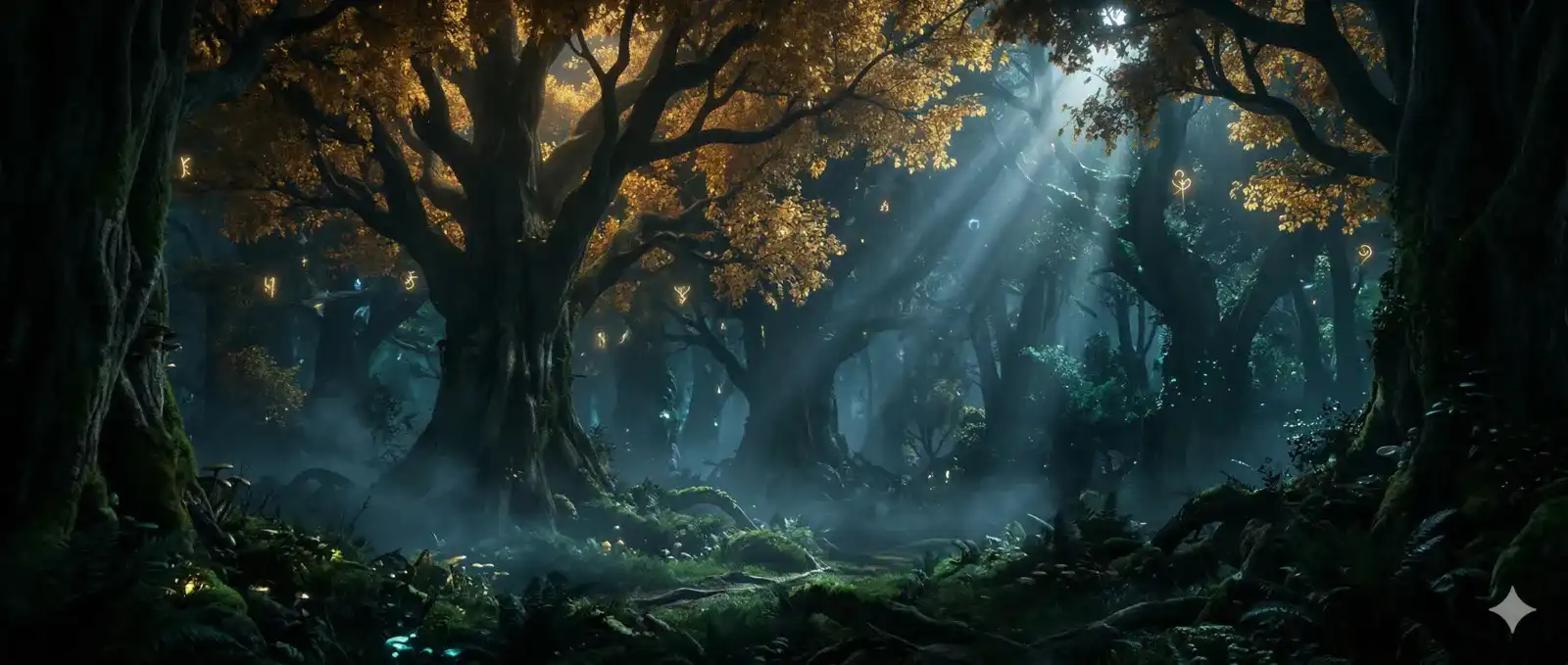
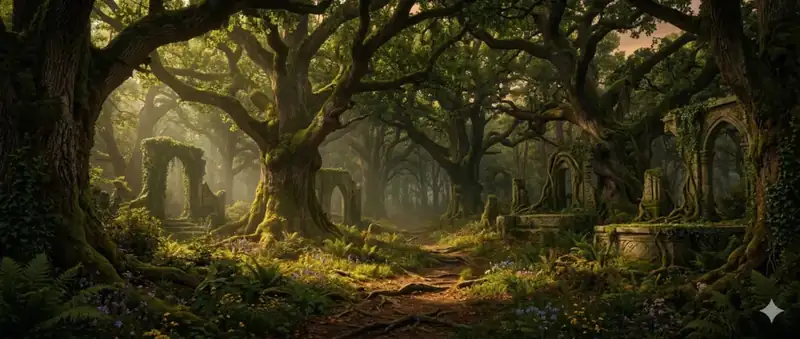
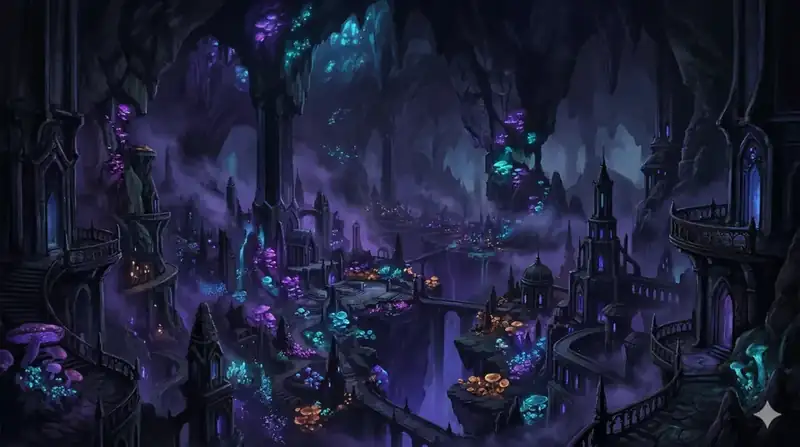
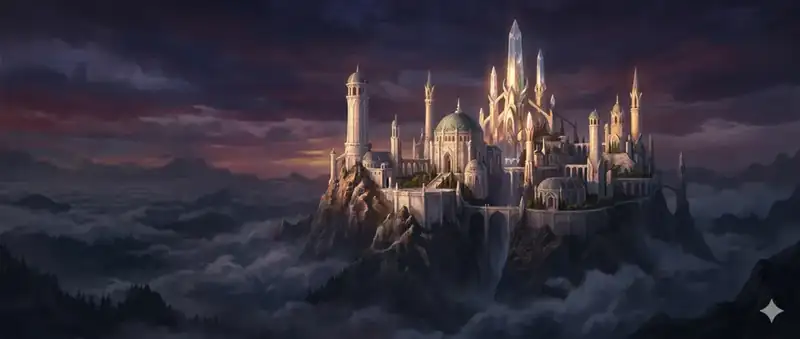
In Dungeons & Dragons, elf naming conventions vary significantly by sub-race. High elves favor elegant, flowing names with vowel-heavy constructions that evoke starlight and ancient magic. Wood elf names tend to incorporate natural sounds and imagery, drawing from the forests they call home. Drow names are sharp and exotic, frequently featuring apostrophes and harsh consonant clusters that mirror their harsh, treacherous society. Each D&D elf receives a child name during youth and then chooses or earns an adult name upon reaching maturity, often around their hundredth birthday. Family names and clan names add further layers to their identity, connecting them to ancestral history.
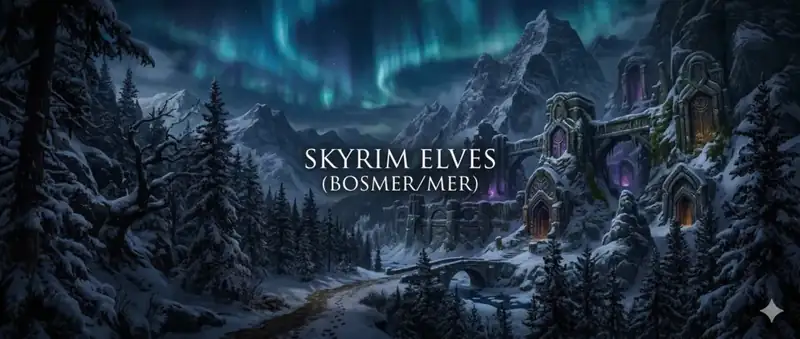
The Elder Scrolls series takes a radically different approach. The Altmer (High Elves) use names that sound regal and elongated, often ending in suffixes like "-we", "-mo", or "-no". Bosmer (Wood Elves) have shorter, sometimes comical names that contrast sharply with their feral nature. Dunmer (Dark Elves) names carry an ancestral weight, with family names like Hlaalu, Telvanni, and Redoran defining political allegiance as much as heritage. The Falmer (Snow Elves), mostly extinct and devolved, retain ancient naming patterns seen in characters like Knight-Paladin Gelebor.
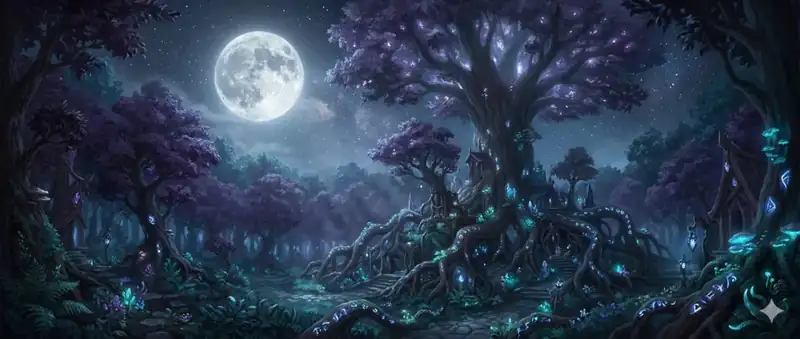
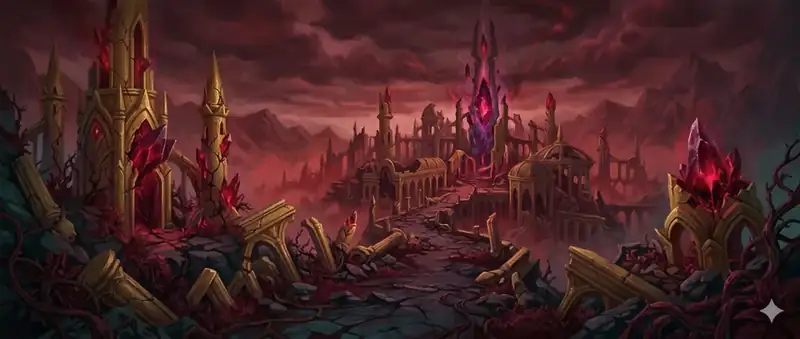
World of Warcraft divides its elves into night elves (Kaldorei) and blood elves (Sin'dorei). Night elf names often contain references to moonlight, shadows, and the ancient forests, using melodic syllables that evoke their ten-thousand-year history. Blood elf names sound aristocratic with an edge of corruption, reflecting their fall from grace after the destruction of the Sunwell.
3The Linguistic Building Blocks of Elven Names
Nearly all elf naming systems share certain phonological features that contribute to their distinctive sound. Liquid consonants like "l" and "r" appear with high frequency, creating a flowing quality. Open vowels, particularly "a", "e", and "i", dominate the sound palette. Consonant clusters tend to be soft rather than harsh, favoring combinations like "th", "nd", "lm", and "rn" over hard stops.
Key insight: Most elven naming systems are compositional, meaning that names are built from smaller meaningful elements. In Tolkien's languages, "gal" relates to light, "dor" to land, "lass" to leaf, and "mir" to jewel. By combining these elements, you can create names that tell a story: Lothlorien ("dream flower"), Mirkwood (from the original Sindarin Taur-nu-Fuin, "forest under night"), and Rivendell (Imladris, "deep valley of the cleft").
4Why Elf Names Matter for RPGs and Creative Writing
A well-chosen elf name does more than label a character. It communicates culture, personality, heritage, and destiny. When a player at a D&D table introduces their character as "Aelindra Starweaver", the name immediately paints a picture of someone elegant, mystical, and connected to celestial forces. Compare this to "Driz'zt Do'Urden", whose sharp, apostrophe-filled name instantly signals a drow heritage of danger and complexity.
For writers, elf names serve as worldbuilding in miniature. The phonological patterns you choose for your elves will shape how readers perceive their entire civilization. Names that sound like flowing water suggest a peaceful, nature-attuned people. Names with hard consonants and complex consonant clusters suggest a more martial or industrious culture. The naming conventions you establish become a kind of cultural DNA that readers internalize, making your elven civilization feel authentic and internally consistent. Read more about this in our Lord of the Rings elf names deep dive.
5Using an AI Elf Name Generator
Traditional elf name generators work by randomly combining syllable components from a pre-built list, which often produces names that feel generic or lack coherent meaning. Our generator works differently: a language model writes each name against a set of naming rules we maintain for every sub-race — the sounds, endings and imagery that make a wood elf name read differently from a drow name — and explains what the name means.
You set the sub-race, gender and style; optionally pin the first letters, the syllable count, a meaning the name should carry, or a family name every result must share. Each name comes with a pronunciation guide and its meaning, and no batch repeats a name you have already seen in this session. Found one that is almost right? Hit "Similar" on it to get ten variants that keep its sound and root. When a name sticks, turn it into a character card with a portrait, a backstory and a spoken pronunciation.
6Choosing the Right Elf Name
Selecting an elf name is both an art and a practical decision. Consider the setting in which you will use the name. A Tolkien-inspired Sindarin name may not fit well in a Warcraft-themed game, and a whimsical Christmas elf name will feel out of place in a gritty Dark Sun campaign. Think about how the name sounds when spoken aloud. You and your fellow players or readers will be saying this name repeatedly, so it should be pronounceable and pleasant to hear.
Tip: Consider the meaning and whether it aligns with your character's personality and story arc. An elf ranger who protects an ancient forest might bear a name meaning "guardian of the green", while an exiled dark elf seeking redemption might carry a name meaning "shadow turned to light". The name becomes a narrative tool, hinting at the character's past, present, and future.
Our database includes names from all major fantasy settings, from the classic high elf names of Tolkien's legendarium to the fierce drow names of the Forgotten Realms, the nature-bound wood elf names of druidic tradition, and even the cheerful Christmas elf names that bring festive joy. Explore our comprehensive naming guide for even deeper insight into crafting the perfect elven name, or jump straight into our AI elf name generator to find inspiration for your next character.




